




Managing safety on a farm or across an agribusiness comes with challenges that aren't always found in other industries.
Workers may be spread across different properties and worksites. Machinery, chemicals, livestock, contractors and changing environmental conditions all need to be considered. And because a farm can also be a home, the people involved can extend well beyond employees.
That's why choosing a safety management system for agriculture is about more than finding a system with a long list of safety features. It needs to fit the way agricultural businesses actually operate.
What is a safety management system?
A safety management system is a structured way to manage work health and safety (WHS). It brings together the processes, records and information you use to find hazards, control risks and respond when something goes wrong.
On a farm or agribusiness, a safety management system usually covers:
- Risk assessments and hazard management
- Safe work procedures
- Incident and injury reporting
- Worker and contractor records
- Training and competency records
- Machinery and equipment checks
- Emergency procedures
- Inspections and checklists
- Safety documentation
- Corrective actions and follow-up
The right system can help bring these activities together, making safety information easier to manage and access.
Why are farms different from other workplaces?
Farming is the riskiest industry to work in across Australia. In 2024, agriculture, forestry and fishing had the highest work fatality rate of any industry. That's 13.7 deaths per 100,000 workers, more than ten times the national rate of 1.3 (Safe Work Australia).
Tractors, quad bikes and side-by-side vehicles are still the leading causes of fatal farm incidents. A national report found 427 farm-related deaths between 2019 and 2025 (AgriFutures and AgHealth Australia).
Four things set farms apart from most other workplaces:
Many risks in one working day
In one day, a worker might drive a tractor, mix chemicals, draft cattle and fix a fence alone. Each job has its own hazards. Your safety system needs to cover all of them, not just one.
Many different people on site
Farms often have permanent staff, seasonal workers, contractors, family and visitors on site at once. Each group needs its own induction, training and records. Some contractors and seasonal workers may only be around for a few weeks.
The farm is often home
A farm isn't like a factory or office. It's often where people live. Kids might play near the machinery shed, family might lend a hand at harvest and visitors might drive in unannounced.
That blurs the line between work and home. So your safety planning needs to cover more than your employees.
Help can be a long way off
Workers often work alone in remote paddocks with patchy phone coverage. If something goes wrong, help can take a while to arrive. That makes emergency plans, check-ins and offline access to procedures more important than they are in town.
What are the benefits of an agriculture-specific safety system?
The first and biggest benefit of using industry specific software like Safe Ag Systems, is that the people who have designed and developed the software understand your needs, they really understand your business’s pain points, barriers, operational factors, and reporting requirements.
Designed around agricultural risks
Agricultural businesses face risks including machinery, chemicals, livestock, working at heights, electrical hazards, noise, heat, sun exposure and remote work.
A system designed for agriculture can help you manage these risks in a way that reflects your working environment.
Easier management of people and contractors
Keeping track of workers, contractors, training, licences and competencies can become difficult as a business grows.
A central system can help keep this information organised and make it easier to identify when something needs attention.
Safety information in one place
Many agribusinesses manage safety using a combination of paper forms, spreadsheets and different software programs.
This can make information harder to find and create extra administration.
Bringing key safety information together can make it easier to manage records, follow up actions and keep information current.
Practical for work in the field
Safety management doesn't only happen in the office.
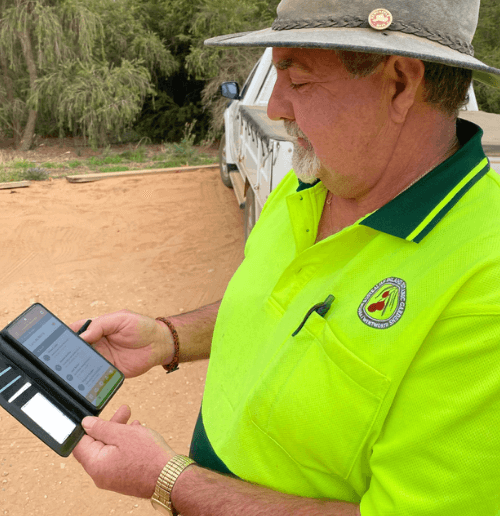
Workers may need to complete inspections, report incidents, access procedures or complete checklists while working around the farm.
Mobile access and offline functionality can make it easier to manage safety where the work actually happens.
Supports better record keeping
Good safety records can help demonstrate what your business is doing to identify and manage workplace risks.
A safety management system can provide a central place for records such as risk assessments, incidents, inspections, training and corrective actions.
What should you look for in a farm safety management system?
Look for a system your team will actually use, in the places they actually work. Ask these questions when you compare options or book a demo.
Does it work in the paddock? Farm work happens in sheds, workshops, paddocks and on the road. Check it works well on a phone or tablet, not just a desktop.
Does it work without reception? Plenty of farms have black spots. Ask whether workers can view procedures and record information offline, then sync later.
Does it cover contractors and visitors? You'll want inductions, sign-ins and records for people who aren't on your payroll.
Can it grow with you? You might add workers, properties or machinery. Check how the system handle that before you sign up.
Is local support available? Ask who you'll talk to when you need help, and whether they understand farming.
Safe Ag Systems can grow with your agribusiness, allowing you to add users and functionality as your needs change. Our support team also brings strong agricultural industry knowledge, helping you get the most from the platform.
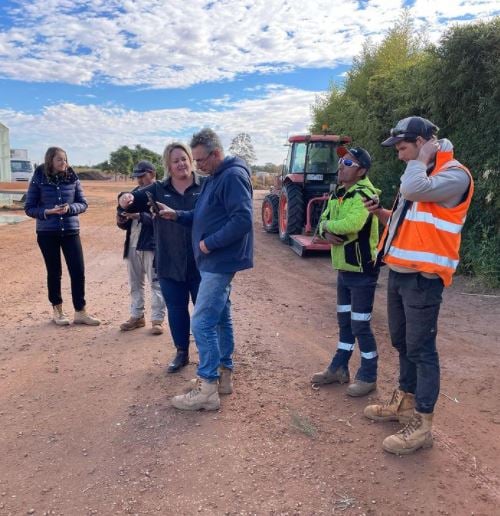
Image Credit: Chalmers Wine Instagram
Generic safety software vs agriculture-specific software
Generic safety management software can provide useful tools for managing WHS. However, it may require your business to adapt its processes to the way the software works.
An agriculture-specific system takes a different approach.
It is developed around agricultural environments, terminology and workflows, with the aim of making safety management more practical for farms and agribusinesses.
The difference isn't simply the number of features. It's whether those features make sense for the way your business operates.
Is a digital safety management system better than paper and spreadsheets?
Paper forms and spreadsheets can be useful for managing safety, particularly for smaller operations. But as a business grows, keeping information across multiple places can become harder to manage.
A digital safety management system can help bring information together, make records easier to access and provide a clearer way to assign and track actions.
The right approach will depend on your business, but moving to a digital system can reduce duplication and make everyday safety management more connected.
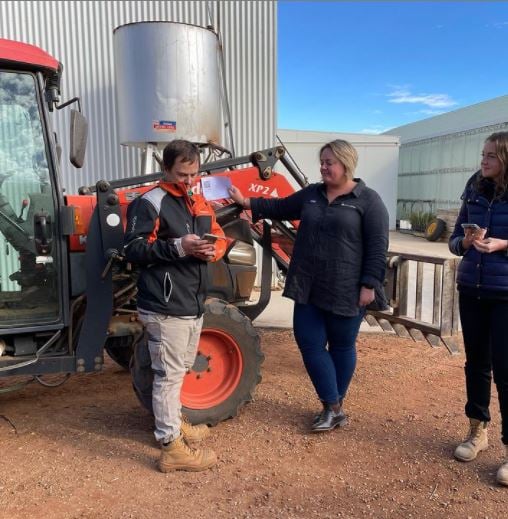
Image Credit: Chalmers Wine Instagram
Make better decisions with your safety data
A safety management system isn't just about keeping records. Over time, the information you collect can help you understand what's happening across your operation and identify where improvements can be made.
For agricultural businesses, this could mean identifying recurring incidents, tracking outstanding actions, monitoring training and competencies, or spotting areas where processes could be improved. These insights can help your team make more informed decisions, reduce avoidable errors and build better safety practices into everyday work.
Good safety practices can also demonstrate to customers, suppliers, contractors and other stakeholders that safety is taken seriously across your business.
The goal isn't to change everything at once. It's about having the right information in one place, making small improvements over time and building safety management into the way your business operates.
Topics: Safety Management System
FAQ
What is an agriculture safety management system?
An agriculture safety management system helps farms and agribusinesses manage workplace health and safety, including risks, incidents, people, training, assets, documents and compliance records.
Why use a safety system built for agriculture?
Agriculture has unique risks and working environments, so an agriculture-specific system is designed to fit the way farms and agribusinesses operate.
What should a farm safety management system include?
A farm safety management system should support key areas including risk and incident management, people and training, machinery and assets, inspections, documents, actions and safety records.
Can a digital system replace paper and spreadsheets?
A digital safety management system brings information from paper, spreadsheets and disconnected processes into one place, making records easier to manage as your business grows.
How can a safety management system improve farm safety?
A safety management system helps teams manage risks, keep records up to date and track actions, while using safety data to identify trends and make better decisions.
Disclaimer: Content on this website may be of relevance to users outside of Australia, but content links and examples are specific to Australia. Please check with your local authority for your country and industry requirements.