




.svg)

AI in agriculture means using technology to analyse data, support decisions and automate certain tasks. It doesn't necessarily mean robots replacing farmers or farm workers.
It might mean:
- Spotting patterns in farm and machinery data
- Identifying issues earlier
- Supporting autonomous machinery and robotics
- Automating repetitive tasks
- Turning data into useful recommendations
The key is understanding what AI can do, and where people still need to make the call.
At Farm Safety Week 2026, we explored how AI, automation, robotics, drones and real-time data are changing farming. We also looked at what that means for managing risk and keeping people safe.
So, what is AI actually doing on farms?
AI is already being used in agriculture in ways that are less futuristic than they sound. It can help analyse information, identify patterns, automate tasks and support decisions.
How is AI used to analyse farm data?
Farms generate huge amounts of information from machinery, weather, soil, crops, livestock and financial systems. AI can help identify patterns, make predictions and highlight issues that might otherwise be missed.
For example, AI can:
- Predict production and farm business outcomes
- Identify changes in crops or livestock
- Analyse machinery and operational data
- Combine information to support decisions
Australian Bureau of Agricultural and Resource Economics and Sciences (ABARES) already uses machine learning to model production, inputs and financial outcomes for Australian broadacre farms.
How does AI support autonomous farm machinery?
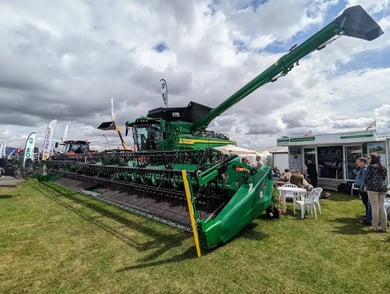
Autonomous machinery can use GPS, sensors, cameras and AI to navigate, detect obstacles and perform tasks with less direct human input.
That doesn't mean people disappear. Their role can shift from operating machinery to setting up, monitoring, maintaining and responding to the technology.
And when the way a job changes, the risks can change too.
How is AI used with farm sensors, cameras and drones?
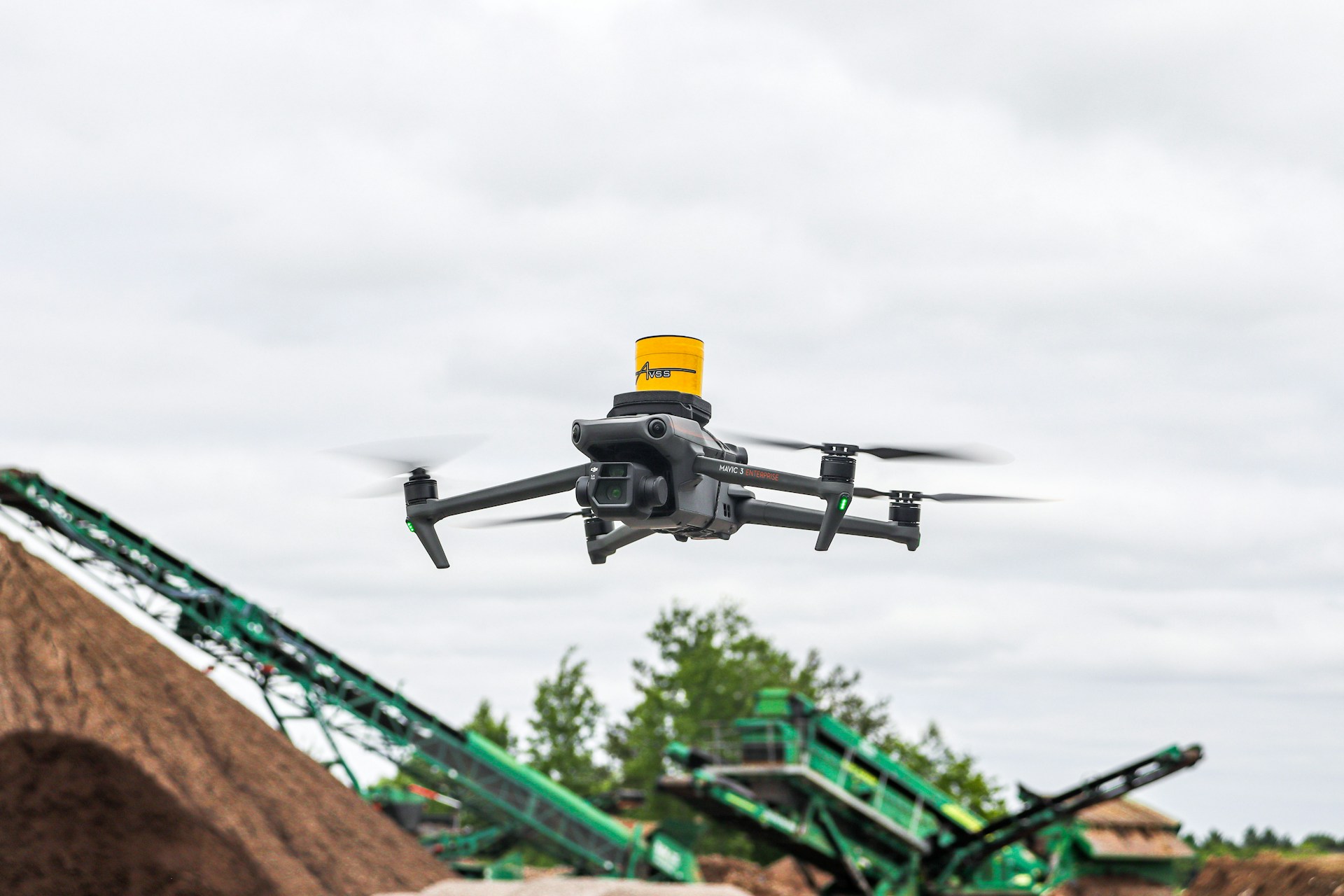
Sensors, cameras and drones can collect information across a farm that would be difficult to gather manually. AI can then help process that information and identify what needs attention.
This could include monitoring crops for water stress, disease or weeds, or collecting information about soil, livestock and machinery.
The value isn't just collecting more data. It's turning that information into something useful.
What AI doesn't mean
More automation doesn't automatically mean fewer people, fewer risks or fewer decisions. As technology changes how work gets done, people's roles can change too.
Does AI replace farmers?
Controlling who enters the property and where they can go can help reduce biosecurity risks.
- Limit unnecessary visitors and restrict access to high-risk areas.
- Record visitors and contractors entering the property.
- Clearly define areas that visitors can access.
- Use signage to communicate biosecurity requirements.
AI can process data, identify patterns and make recommendations, but it doesn't know your farm like you do.
It can provide another source of information, but experience and judgement still matter when making the call.
Does AI automatically make a farm safer?
New technology can reduce some risks while introducing others.
Autonomous machinery, for example, may reduce the need for manual operation but change how workers interact with machinery and what happens when something goes wrong.
Does AI remove responsibility?
Even when technology performs tasks automatically, people still need to understand how it works, its limitations and what to do when something goes wrong.
As more farms start using AI and digital tools, it's worth thinking about how they'll fit into the way your team works. Safe Work Australia recommends checking for any new safety risks, making sure workers know how to use the technology, and providing the right training and support.
That means:
- Training people to use it safely
- Understanding its limitations
- Monitoring for problems
- Knowing when human intervention is needed
- Reviewing risks when work changes
Automation can change who does the work, but it doesn't remove the responsibility to manage it safely.
The safety question isn't "Will AI replace people?"
Technology can change who performs a task, how a task is performed and how decisions are made. That means the safety conversation needs to change too.
1. From doing the task to managing the system
As machinery and technology become more automated, people may spend less time physically performing certain tasks and more time setting up, monitoring and managing systems.
That can change the skills people need and the way they interact with equipment.
For example, a worker operating autonomous machinery may need to understand how to monitor the system, recognise when something isn't working as expected and know when to step in.
2. From familiar hazards to new and changing hazards
Automation may reduce exposure to some hazards, but it doesn't mean hazards disappear.
Instead, risks can shift.
When technology changes how work is done, review the risks. For autonomous machinery and AI, consider how the technology changes the way workers interact with the job.
A new autonomous machine might reduce the need for someone to operate it directly, but it can also introduce new safety considerations around:
- Where people can safely work around the machine
- How the machine detects people and obstacles
- What happens if the system fails
- How workers know what the machine is going to do
- When and how someone should intervene
3. From reacting to using information earlier
One of the biggest opportunities with AI and connected technology is the ability to identify patterns and issues earlier.
Instead of waiting for something to go wrong, data can help highlight things that may need attention.
That could mean identifying:
- Machinery that is showing signs of a problem
- Changes in operating conditions
- Patterns in incidents or hazards
- Tasks that are repeatedly being missed
- Areas where additional training may be needed
AI has the most interesting potential for farm safety: not replacing the people responsible for safety, but giving them better information to make decisions earlier.
What does this mean for farmers today?
You don't need to become an AI expert. Start by understanding where technology is changing the way work gets done.
1. Understand where technology is already being introduced
Look at where you're already using automation, connected machinery, sensors, drones or AI-powered tools.
2. Review the risks when technology changes
When the way a task changes, check whether the hazards and controls need to change too. This aligns with Safe Work Australia’s approach to reviewing risks when circumstances change.
3. Make sure people are trained for the new way of working
New technology can mean new tasks, responsibilities and risks. Make sure people know how to use it and work safely around it.
4. Keep records and responsibilities clear
Know what's been identified, what needs to happen and who's responsible for it. A digital safety management system can help keep those actions, responsibilities and records in one place.
5. Don't automate for the sake of automating
Technology should solve a real problem, whether that's saving time, improving decisions or reducing risk.
The future of farming is still about people
AI and automation may change how work gets done, but people remain at the centre of the operation.
Farmers and workers will still need to make decisions, manage risks, respond when things don't go to plan and use their experience to make the right call.
The future isn't people versus technology. It's people working with technology to run safer, smarter and more efficient farms.
FAQ
What is AI in agriculture?
AI in agriculture is the use of artificial intelligence to analyse farm data, identify patterns, support decisions and automate certain tasks.
How is AI being used in farming?
AI is being used to analyse farm and machinery data, support autonomous machinery, monitor crops and livestock, and process information from sensors, cameras and drones.
Does AI replace farmers?
No. AI can support decision-making and automate certain tasks, but farmer experience, judgement and oversight remain important.
Does AI make farming safer?
Not automatically. AI and automation can reduce some risks while introducing new ones. Farms need to review risks when technology changes how work is performed.
What does AI mean for farm safety?
AI can help identify patterns and issues earlier, but it can also change how people interact with machinery and technology. Farm safety processes, training and risk controls need to evolve alongside those changes.
Disclaimer: Content on this website may be of relevance to users outside of Australia, but content links and examples are specific to Australia. Please check with your local authority for your country and industry requirements.