





.svg)

Not sure where to start when setting up your safety system?
With over 500 templates in the system, it’s easy to feel overwhelmed when you’re getting started (or have been putting it off).
Let’s break it down into simple steps.

STEP 1
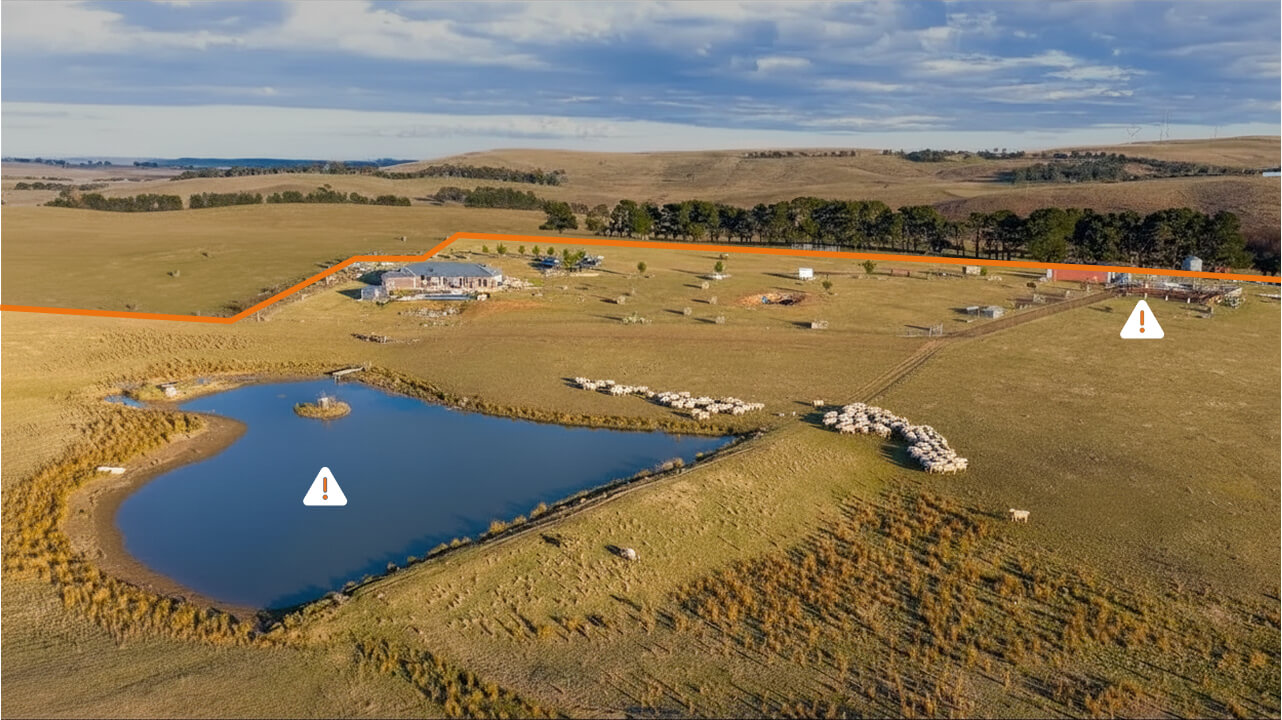
Identify your risks and hazards
Start by making a list of key hazards and risks on your property and in your daily tasks. Think about frequently performed tasks or commonly accessed areas.
Think about what has gone wrong before, were there recurring issues or trends?
STEP 2
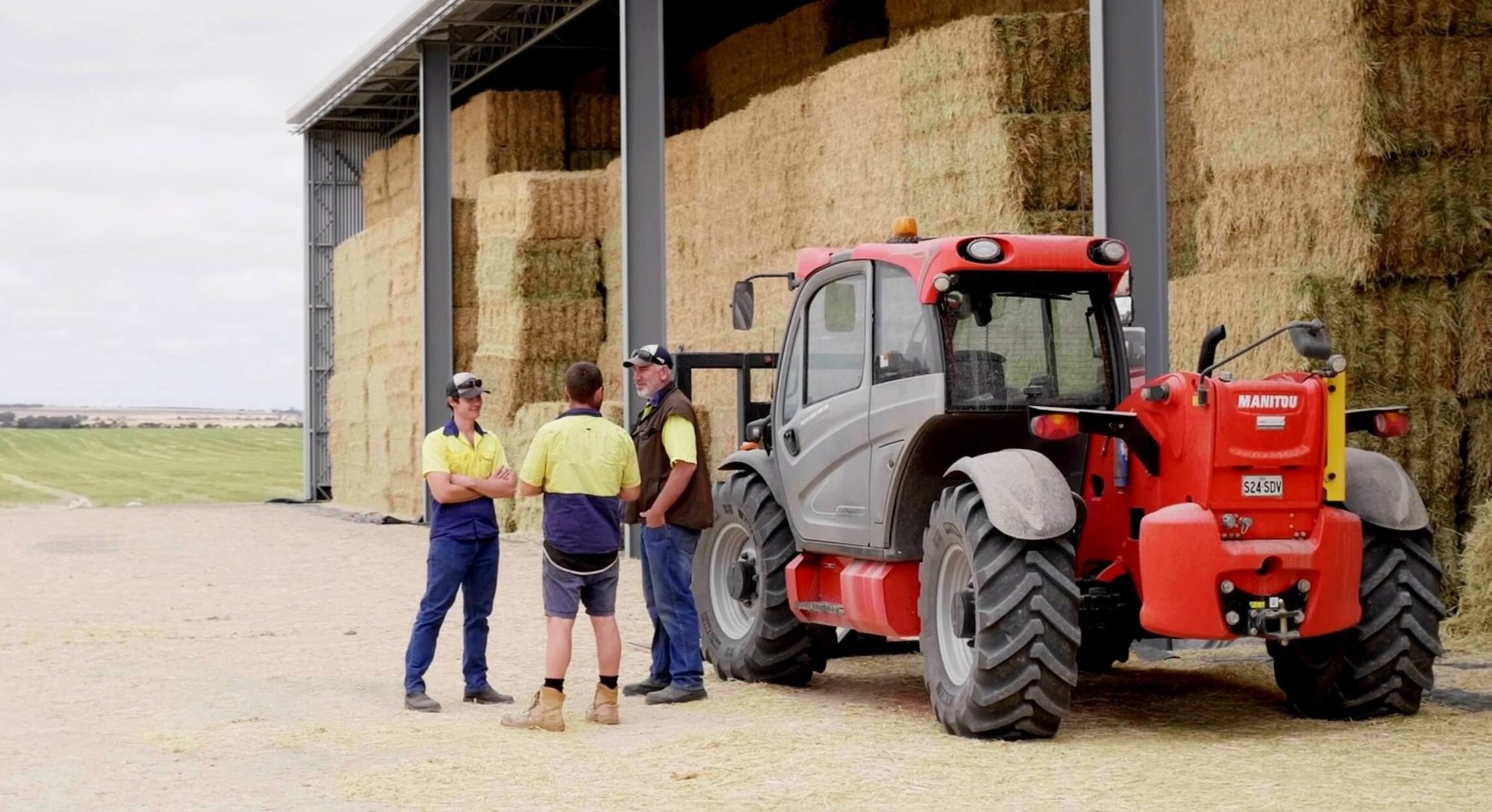
Meet with your team
Consultation is essential when introducing anything new (plus it is a legal requirement).
Brainstorm your list of hazards and risks. Your team may have different perspectives or even think of some you have never noticed.
By involving your team early, you build ownership and buy-in, making implementation smoother and far more effective.
STEP 3
Start with the essentials
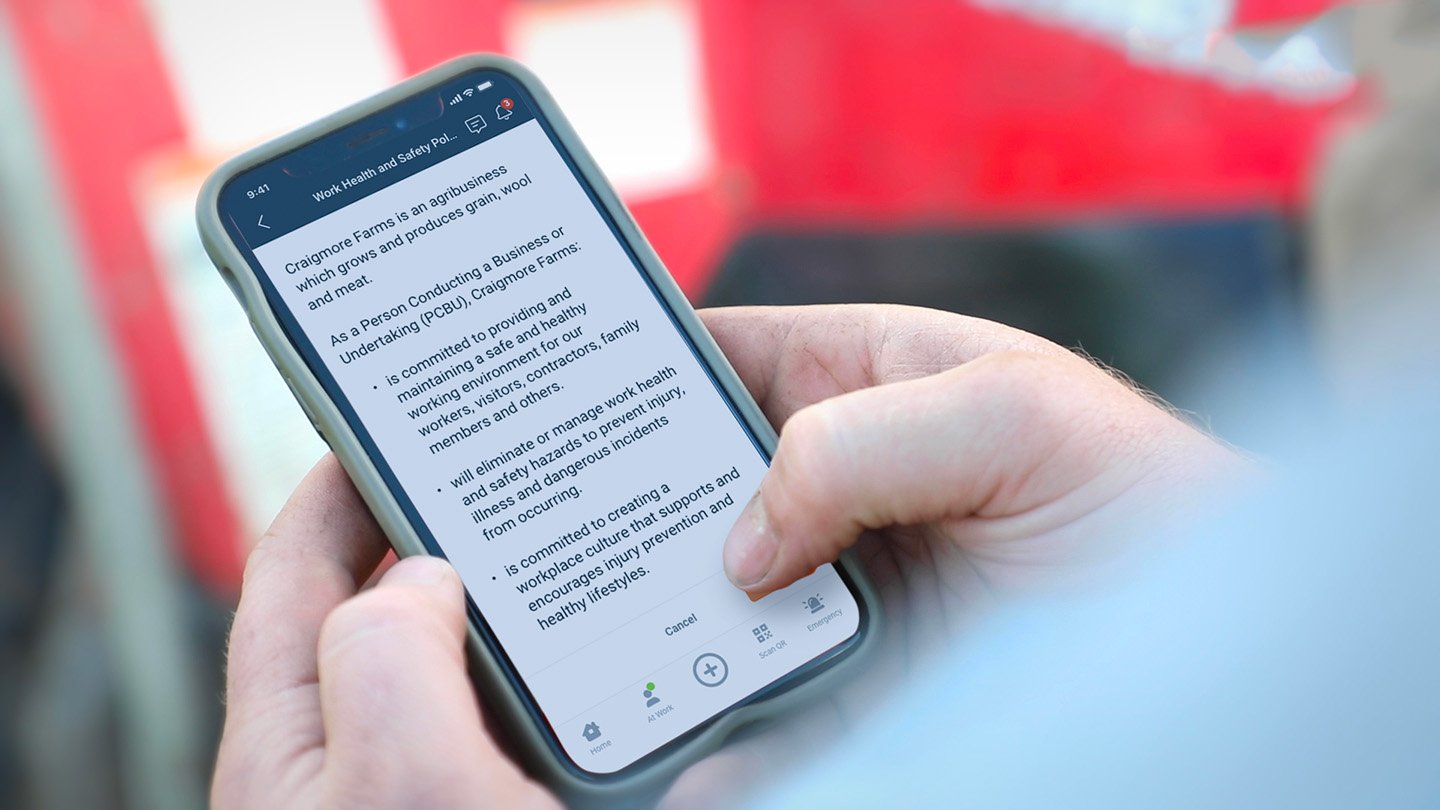
These two documents are the foundation of all safety systems and can be found in the Template Library.


STEP 4
Action your priorities
Choose the relevant key areas you identified.

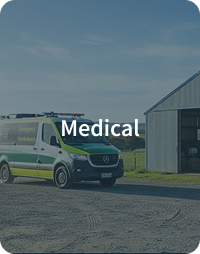
Emergencies
Common Emergencies
Being prepared ensures everyone knows what to do in an emergency.


Recommended Actions
Here’s what you should set up first:




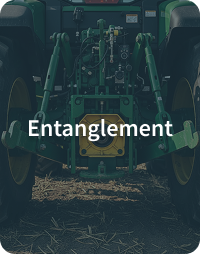
Machinery
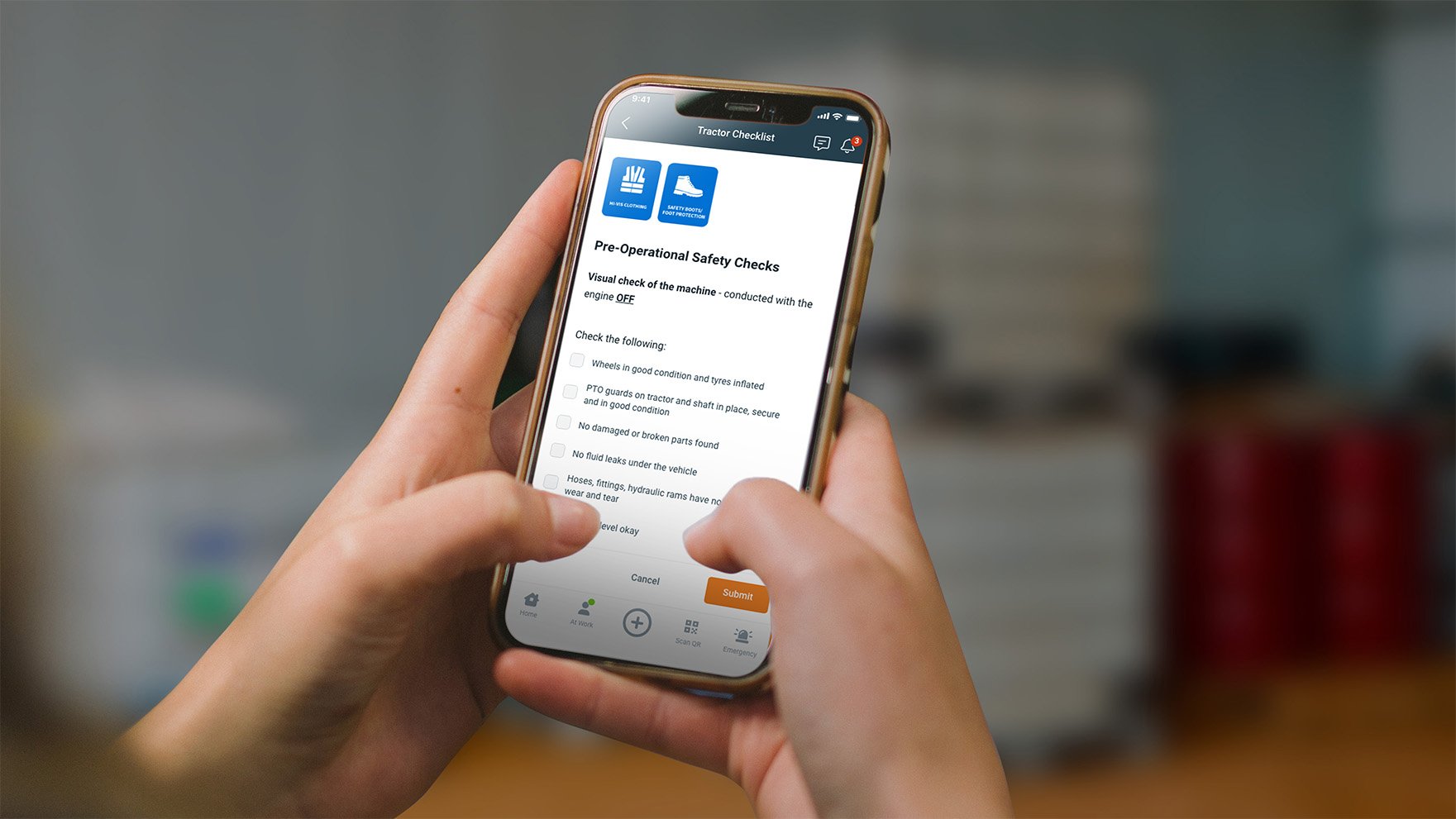
Machinery Risks
Communicate safety guidelines to protect your workplace.


Recommended Actions
Here’s what you should set up first:



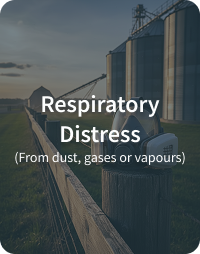
Chemicals
Dangers of Chemicals
Have the correct controls in place to protect your workplace.


Recommended Actions
Here’s what you should set up first:



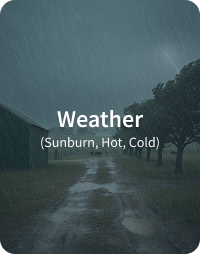
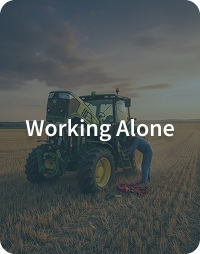
Fit for work
Workplace Hazards
Ensure everyone is physically and mentally ready for safe work.




Recommended Actions
Here’s what you should set up first:
Fit for Work Policy
or

Livestock
Animal Handling
Manage animal risks and health hazards to keep everyone safe.
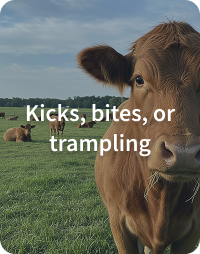
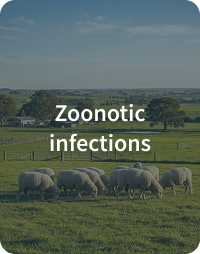

Recommended Actions
Here’s what you should set up first:


Contractor
Protecting Contractors
Set clear expectations so contractors work safely on site.


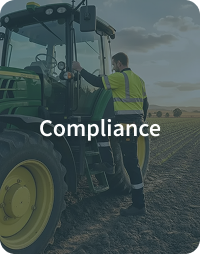
Recommended Actions
Here’s what you should set up first:
STEP 5
Onboard the team
- Add your employees
- Assign the induction, policies and procedures to staff
- Train your team in using the App

Congratulations! You’ve now got the basics in place!
What’s next? From here you continuously monitor and review. Safety is a process of continuous improvement, so keep looking for hazards and risks and identifying ways to improve.
New to Safe Ag Systems?
Make safety easier for your whole team to understand and follow.

Existing user?
Login to continue your set up based on your key priorities.


Copyright 2026. Safe Ag Systems
- Privacy Policy
- Terms and Conditions
- Data Protection & Security