




From 1 April 2027, changes to New Zealand's Health and Safety at Work Act 2015 (HSWA) will put critical risks first. These are the hazards that could kill someone or cause serious injury or illness.
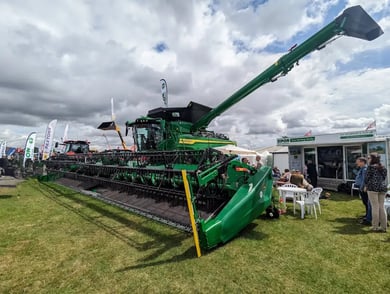
Farming is full of them. Tractors, livestock, quad bikes, chemicals and working at height can all cause serious harm when something goes wrong.
The changes come from the Health and Safety at Work Amendment Act 2026, which Parliament passed in July 2026. Here's what they mean for your farm and how to get ready.
What's changing for farmers
The changes don't make farm safety less important. They focus attention on preventing serious harm, rather than treating every risk the same. Here are the six changes that matter the most on farms.
1. Critical risks come first
A critical risk is a hazard likely to result in death, a notifiable injury or illness, a notifiable incident or an occupational disease. Some hazards are also listed in a new schedule in the Act.
"Likely to result" is about how bad the outcome would be if something goes wrong. It's not about how often it happens. A tractor rollover might be rare, but it can kill, so it's a critical risk.
What this means for you: Focus first on the jobs that could seriously hurt someone. See the common farm critical risks below.
What is a critical risk? (WorkSafe)
2. Small and large farms have different duties
A small business has fewer than 20 workers for at least nine months of a financial year. A large business has 20 or more.- Small farms: Must manage critical risks and put them first
-
Large farms: Must manage critical risks and all other risks, with critical risks at the top
What this means for you: A short seasonal peak at shearing, calving or harvest won't make you a large business on its own. What counts is your worker numbers across the year.
Am I a small or large PCBU? (WorkSafe)
Who counts as a worker?
A worker is anyone who carries out work in any capacity for a PCBU. This includes employees, contractors, subcontractors, labour hire workers, apprentices, trainees, work experience students, and volunteer workers.
Contractors count too. If a shearing contractor sends a team to your shed, those shearers are your workers while they’re working for you.
Volunteer workers count if they help out on a regular, ongoing basis. Someone who pitches in now and then isn’t counted.
3. Codes of practice carry more weight
An Approved Code of Practice (ACOP) is a practical guide to meeting your duties. Following one isn't mandatory in New Zealand. But from 1 April 2027, if you follow an ACOP, you're considered to have met your duties for that risk. This is often called a safe harbour.
WorkSafe has released two codes for farming: Roles and Responsibilities in Agriculture and Safe Farm Vehicle Operation. For these codes to get safe-harbour status, the Minister would need to reapprove them after consultation.
Industry groups, unions and employer organisations can now develop their own ACOPs too. WorkSafe decides if they meet the criteria for the Minister to approve.
What this means for you: Get to know the two farm codes now. Following them will be the clearest way to show you're meeting your duties.
4. Directors' duties focus on governance
Officers include directors, partners, board members and chief executives. Their duties now focus on governance. They need to:
-
Understand the risks and health and safety matters in the business's work
-
Make sure the business has resources and processes to manage those risks
-
Check those resources and processes are actually being used
What this means for you: If your farm runs as a company, check your directors know their role. If you're a director who also works on the farm, your duties as a worker are separate.
5. Less responsibility for recreational users
Landowners will no longer have health and safety duties to people using their land for recreation. There are two exceptions: when the activity is connected to your work or when work is happening at the same time and place.What this means for you: If hunters, trampers or anglers use your land, you won't usually have HSWA duties to them. But if you're mustering or spraying where they are, your duties still apply.
6. Less doubling up with other laws
Some risks are covered by HSWA and another law, like the Land Transport Act 1998. If you meet the other law's requirement for the same risk, you'll be treated as meeting HSWA too.What this means for you: This could apply to risks such as farm vehicles on public roads, where land transport rules already set requirements.
What are the critical risks on your farm?
Every farm is different. But some jobs can cause serious injury, illness or death if something goes wrong. Common farm critical risks include:
- Tractors and machinery: Rollovers, entanglement and crush injuries
- Quad bikes and side-by-sides: Rollovers, falls and collisions
- Livestock handling: Being crushed, kicked or trampled
- Farm vehicles: Collisions between machinery, trucks and people on foot
- Working at height: Falls from sheds, silos and machinery
- Confined spaces: Engulfment or dangerous gases in silos and tanks
- Agricultural chemicals: Poisoning or exposure during handling and spraying
How do you identify critical risks?
Walk around your farm and ask:- Which jobs could seriously injure or kill someone?
- Are effective safety controls in place?
- Do workers know how to do these jobs safely?
- Are equipment and controls checked regularly?
Don't assume a job is safe just because it's always been done that way. Think about what could go wrong and how you'd prevent it.
What should farmers do before April 2027?
You've got a few months to review your approach. Until 1 April 2027, the current law still applies in full. Here are eight practical steps to get started.
- Work out if you're a small or large business. Count your workers across the year, not just at peak season.
- Identify your critical risks. Look at jobs involving machinery, livestock, vehicles, chemicals and working at height.
- Review your safety controls. Check machinery is maintained and safety procedures are followed.
- Talk to your workers. Ask about the risks they face and where things could improve.
- Check training. Make sure employees, seasonal workers and contractors know the risks of their jobs.
- Review emergency procedures. Make sure everyone knows what to do after a rollover or serious injury.
- Brief your directors. If your farm is a company, check directors understand their governance duties.
- Review recreational access. Know who uses your land for recreation and when work overlaps with it.
It's also worth reading WorkSafe's two new farm codes of practice before April.
You don't need to start from scratch. Review what you already have, find the biggest risks and make sure your controls work.
If you're unsure how the changes apply to you, talk to WorkSafe or a health and safety professional.
Understanding the changes to the health and safety law (WorkSafe)
Put your critical risks front and centre
The new law asks one simple question: are you managing the risks that could seriously hurt someone? Being able to show your answer matters as much as the work itself.
Safe Ag Systems gives you one place to record your farm's risk assessments, so your critical risks and their controls are easy to find. Your training and inspection records sit alongside them, ready when you need them.

FAQ
When do New Zealand's health and safety law changes take effect?The changes to the Health and Safety at Work Act 2015 come into effect on 1 April 2027.
Does a busy season make my farm a large business?
Not on its own. A small business has fewer than 20 workers for at least nine months of a financial year. WorkSafe's website can help you check.
Am I responsible for hunters or trampers on my land?
Usually not, from 1 April 2027. Your duties still apply if their activity is connected to your work, or if work is happening at the same time and place.
Do I have to follow the new farm codes of practice?
No, they're not mandatory. But once the codes have safe-harbour status, following them will count as meeting your duties for that risk.
What counts as a critical risk on a farm?
Any hazard likely to cause death, a notifiable injury or illness, or an occupational disease if something goes wrong. Common examples are rollovers, livestock handling, falls and chemical exposure.
Disclaimer: Content on this website may be of relevance to users outside of Australia, but content links and examples are specific to Australia. Please check with your local authority for your country and industry requirements.