




.svg)

Farming involves a lot of hard physical labour, and that's a well-known fact. From managing livestock and loading supplies into the truck to connecting equipment to your tractor or spending time with a chainsaw to clear out trees. You're consistently putting your body through significant physical effort. Farming is physically demanding work, and these repetitive tasks place significant strain on the body over time.
Manual handling refers to any task in the workplace, or farm, that involves using physical strength to lift, lower, push, pull, carry, hold, or restrain. Manual handling injuries, like back strains and muscle injuries, are one of the most common risks on farms. Most of these injuries are preventable with the right approach.
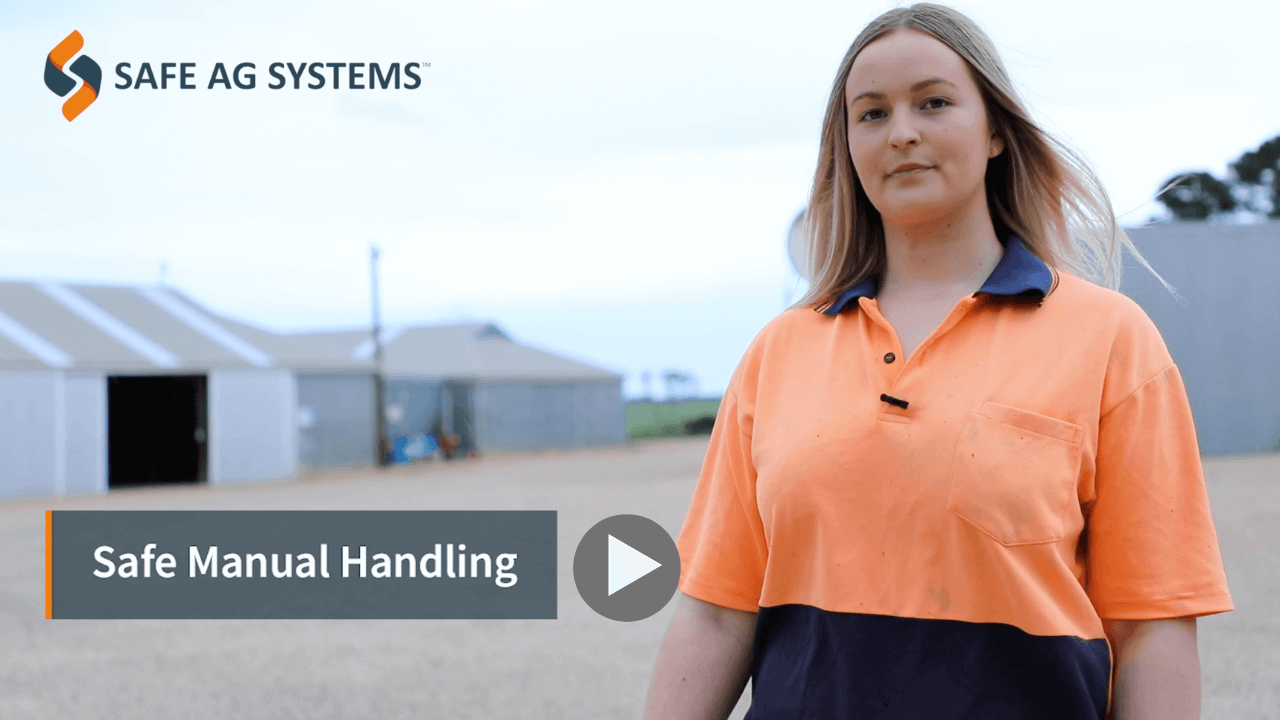
Watch: Safe manual handling techniques for farms
Why is manual handling important on farms?
In general, manual handling can result in a variety of strain-related injuries including spinal disc injuries, rotator cuff tears, and hernias. These injuries flow through to work cover claims. According to Safe Work Australia, body stressing is the most common cause of work-related injury across every major occupation group. Body stressing accounted for 34.5% of all serious claims. That’s 50,600 serious claims.
WorkSafe statistics indicate that muscle stress from lifting is a major contributor to serious injuries in agriculture. Preventing these injuries not only protects workers but also helps reduce costs associated with workers' compensation and lost productivity.
Using the right techniques is essential to avoid acute injuries like hernias and broken bones, as well as chronic musculoskeletal issues that can develop over time.
Why is manual handling so dangerous in agriculture?
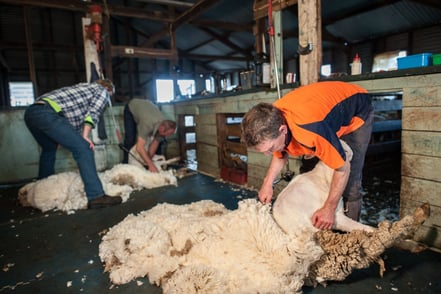
Manual handling is one of the most common causes of injury in agriculture. Farmers often find themselves lifting heavy loads, including fertiliser, buckets or barrels, hay bales and often handling uncooperative animals. The typical manual handling injuries either involve your back or weight-bearing joints.
Daily tasks often involve:
- Heavy or awkward loads
- Repetitive or unexpected movements
- Awkward posture
- Unpredictable environments (think livestock or uneven ground)
- Long hours of physical work
Without proper techniques, these factors can lead to strains, sprains, and long-term injuries.
How can farmers improve manual handling safety?
Injuries related to improper manual handling can put farm workers out of action for long periods, but the risk can be greatly reduced with safe manual handling practices.
Pay close attention to your back and joints when working with livestock or performing tasks such as lifting, pushing, pulling, carrying, lowering, or holding heavy items like equipment and hay.
Here are a few more tips for safe manual handling:
- Take a few minutes to warm up and stretch before starting physical work
- Use mechanical aids such as wheelbarrows or trolleys
- Don’t hesitate to ask for help with heavier loads
- Break large loads into more manageable portions can make a difference
- Maintain good posture and use correct technique to minimise strain
- Keep floors in work areas tidy, well-lit, free of obstacles, and well-maintained
- Where possible, store items at waist heigh to reduce the need to lift
- Arrange for bulky orders to be delivered to their final location
- Don’t expose workers to repetitive tasks for long periods
- Train worker on safe handling techniques
What is the correct way to lift safely?
Taking care of your body and preventing injuries is crucial, especially in the farming industry where hazards are prevalent. You've likely heard the advice to "bend your knees and keep your back straight" countless times, but it often feels generic.
While there is a wealth of resources on manual handling and safe lifting techniques, much of it is tailored to heavy construction or manufacturing, leaving a gap for agriculture-specific guidance.
To address this need, our team created a brief instructional video, lasting about three minutes. The video highlights practical manual handling techniques and tips relevant to farming. We believe that video is an effective way to communicate this information, making it an excellent resource to share with your workers during toolbox talks.
Toolbox talk quick check-in question:
“What’s one task this week where you could use equipment instead of lifting manually?”
Watch: Safe manual handling techniques for farms
For those who like a bit more detail, check the Code of Practice for Hazardous Manual Tasks.
Disclaimer: Content on this website may be of relevance to users outside of Australia, but content links and examples are specific to Australia. Please check with your local authority for your country and industry requirements.