




.svg)

Things are heating up. Summertime is here, and it’s a scorcher.
Last year, South Australia, Victoria, Tasmania, Western Australia, and southern New South Wales experienced rainfall that was below average to very much below average. This contributed to ongoing drought conditions and an increased likelihood of bushfires in these areas.
In Northern Australia, the busiest time for bushfires is from winter to spring, the dry season. While those of us located in Southern Australia, bushfire season peaks in summer and autumn.
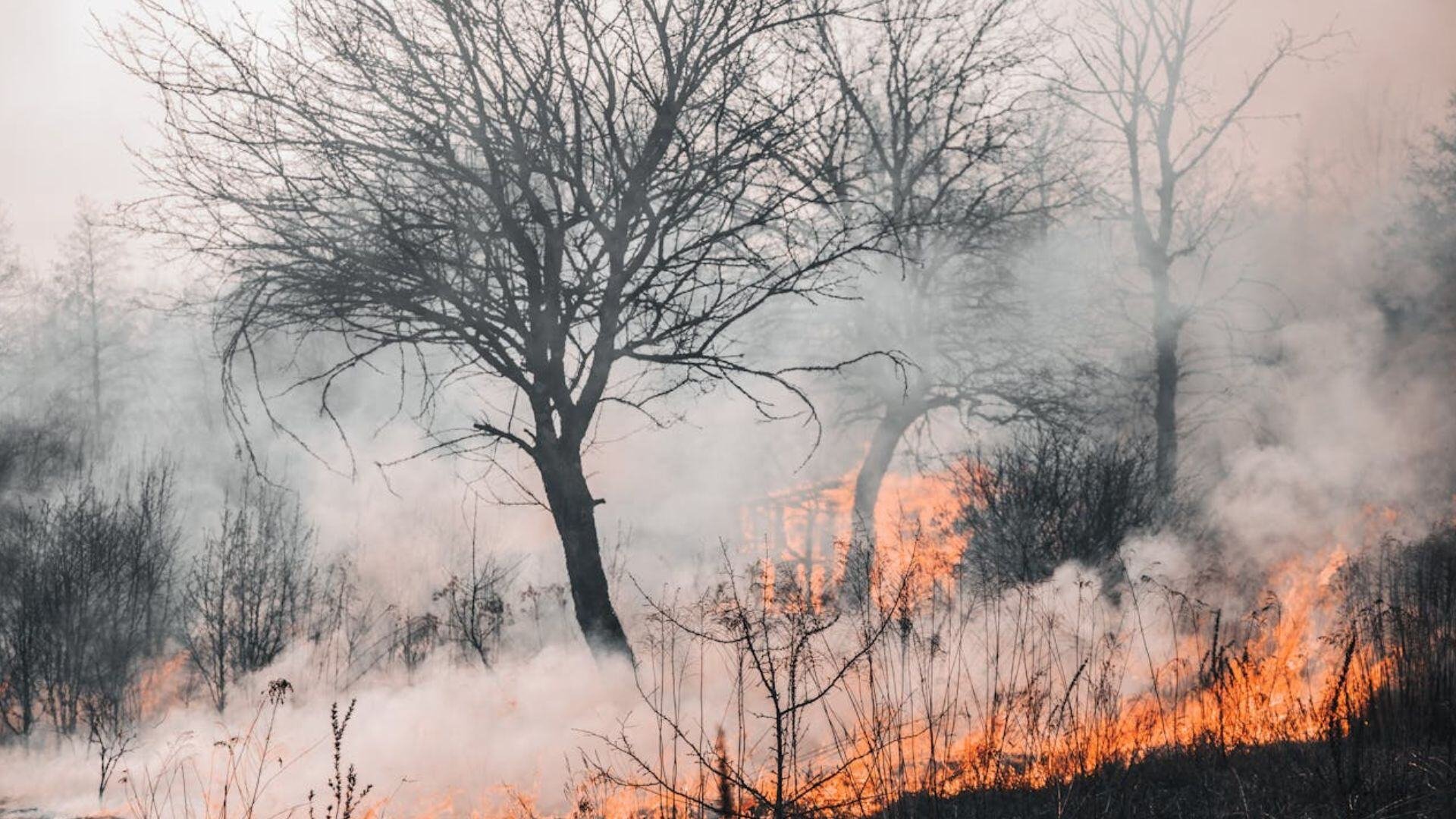
Victoria was the first to feel the burn of these conditions, with multiple bushfires breaking out in January due to extreme heat, dry lightning and strong winds. Over 400,000 hectares have been burnt due to the catastrophic fire conditions.
As a livestock farmer, how do you prioritise livestock welfare during a fire?
We’ve discussed emergency management plans before, particularly during harvest; however, this time we’re focusing on how emergency plans and preparation help protect livestock.
Preparing for Bushfires with Livestock
Plan, plan, plan. You likely have an emergency management plan for your workers, but what about your livestock?
A study on the 2019-2020 Black Summer Bushfires found that planning reduced the probability of injured or dead livestock from fires.
“It could therefore be inferred that producers who had thought, planned and equipped themselves adequately had an ability to reduce the probability of livestock from bushfire injury or death. This should be heartening for producers in future fires as it implies producers have agency in the face of severe fire.”
However, they recommended that farmers still take caution when choosing to stay and defend their infrastructure and livestock. Your primary objective should always be to protect the physical safety of people first, including your own.
It feels like bushfires have become more frequent and intense over the years so its a no-brainer for us to plan and implement effective strategies to ensure the safety and well-being of our animals. This involves not only preparing the livestock for potential evacuations but also creating a safe environment that minimises the risk of fire exposure.
Choosing to stay and defend
Staying to defend should only be considered if it is safe to do so. Always follow advice from emergency services first and foremost.
Consider the following and prepare your property in advance.
Is it safe to stay
- Monitor warnings and advice from emergency services. Do not stay if conditions exceed your ability, resources, or experience to defend safely.
Water and firefighting resources
- Do you have access to mobile water tanks, hoses, pumps, or a reliable dam? Ensure equipment is serviced, accessible, and ready to use.
Property preparation
- Have you cleared fuel from around buildings, infrastructure, and fence lines? Reduce vegetation and remove flammable materials well before fire season.
Safe areas for livestock
- Identify low-risk areas on your property where livestock will be safest during a bushfire. Suitable options include:
- Large paddocks that allow animals to move freely, ideally with access to a dam
- Open areas that are not dense with trees
- Low fuel zones with minimal vegetation
- Never confine livestock to stables or yards. This generally increases the risk due to their limited ability to escape danger and the risk of crowding, which can often result in panic and piling.
Working with neighbours
- Talk with neighbours before fire season about opening gates or cutting internal fences if needed. This can give livestock more space to move if a fire approaches.
- Do not cut fences along roadsides. This puts livestock, motorists, and emergency services at serious risk.
Planning to Evacuate a Bushfire
Choosing to leave before things escalate further or on the recommendation of the local fire authority is the safest decision. But evacuating with livestock isn’t always easy or even achievable.
Consider the following and build a fire safety plan.
When will you leave
- At what threat level do you make the call to evacuate? Take into consideration how many access roads you have around your property in case road closures take effect.
Where will you go
- Do you have a mate whose property isn’t in the line of danger that you can relocate your livestock to? Find out if your local sale yards, showgrounds or racecourses are open to the public in an emergency.
How you’ll get there
- Do you have a truck or livestock trailer to transport them to a safe spot? How many trips will it take, and is there enough availability at the location?
When will you return
- Check with local emergency services before returning home. Wait until the bushfire is controlled and access roads are reopened.
Ensure your workers are aware of your fire safety plan. Run through various scenarios with them and show where to find the emergency management plan. Your workers' safety takes precedence over your livestock.
Aftercare for Livestock
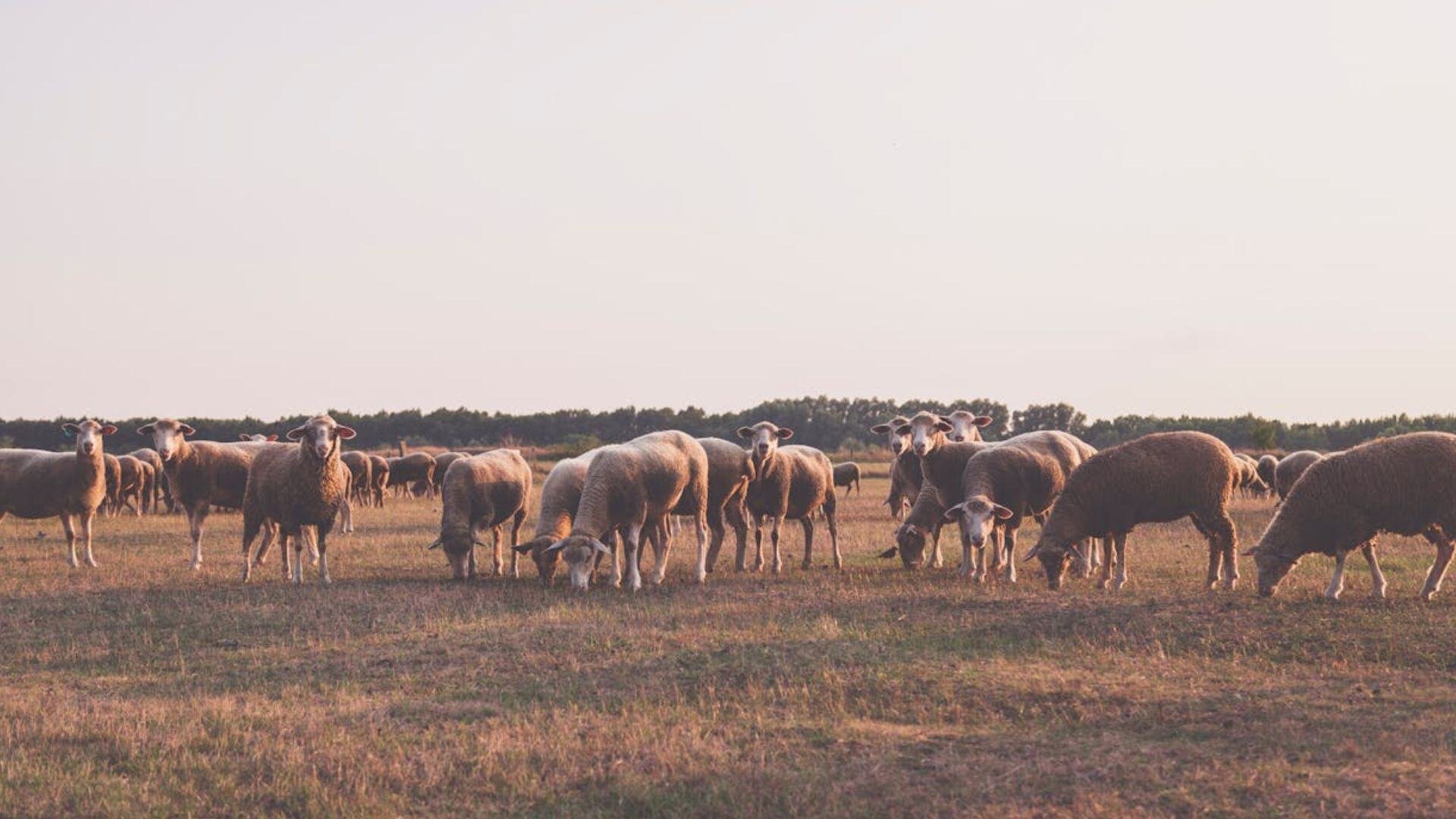
If you do experience the unimaginable, the period immediately after a bushfire can be overwhelming. Once it is safe to do so, the focus shifts to carefully inspecting the damage and assessing livestock losses.
This process can be both physically and emotionally demanding, so take it step by step and seek support where needed. Your priority should always be safety, for yourself, your family, and your animals.
Carefully check over your livestock for any burns. Evaluate whether they need medical assistance or require euthanising.
How to assist burns:
-
Cool burns with clean, cold water.
-
Only use anti-inflammatories
-
Always consult with your vet for the best course of action
Scout whether your paddocks are safe for them to return to. Watch for falling trees and burnt branches. Some trees and hotspots can burn days after a fire.
Give livestock access to shade, clean water and good feed. Check your fenceline for any fallen fences, open gates or cut wires where they could escape.
Compliance still applies in Natural Disasters.
Compliance obligations continue to apply during and after natural disasters. While events such as bushfires can have a devastating impact on agricultural operations, they do not remove responsibilities under state and federal environmental and animal welfare laws.
Where circumstances make compliance challenging, producers should document impacts and seek advice from relevant authorities as early as possible.
Cutting fences and allowing livestock onto public roads falls under negligence. You have a legal responsibility to ensure your livestock doesn’t cause damage to others. If someone is injured, you may have to pay compensation and face penalties.
Another aspect of non-compliance after a fire is failing to seek veterinary treatment and animal abandonment. This breaches livestock welfare legislation.
There are many practical steps farmers can take to protect livestock, from advanced planning to pre-emptive firefighting actions such as backburning and slashing. Using technology, including fire alert apps and weather monitoring systems, can also provide real-time information to support timely decision-making.
By fostering a culture of preparedness and awareness, livestock owners can not only safeguard their animals but also strengthen the overall resilience of their farming operations during the challenging fire season.
Topics: Working with Livestock
Disclaimer: Content on this website may be of relevance to users outside of Australia, but content links and examples are specific to Australia. Please check with your local authority for your country and industry requirements.
.jpg?width=520&height=294&name=drone-eft-nMDwrS1NsIE-unsplash%20(1).jpg)