




.svg)

In May 2026, the International Labour Organization (ILO) adopted its first Code of Practice on Occupational Safety and Health in Aquaculture.
The code provides practical international guidance for managing health and safety in aquaculture. It covers areas including safety management systems, worker training, PPE, machinery, diving, aquaculture installations, transport, weather and environmental conditions, chemicals and biological hazards.
The code is not legally binding and does not replace Australian work health and safety (WHS) laws. Instead, it provides a useful framework for Australian aquaculture operators reviewing how safety is managed across their operations.
What does effective aquaculture safety look like day to day?
For workers, effective safety management should be straightforward.
Workers should know:
- What hazards they may encounter
- What controls they need to follow
- What PPE they need
- What to do when conditions change
- How to report a hazard or incident
- What to do in an emergency
- Who to contact when they need help
For managers, the picture is broader.
They need visibility of:
- Worker training and qualifications
- Completed inspections
- Reported hazards
- Open corrective actions
- Missing or overdue records
- Safety controls that need attention
- Areas where additional action may be required
This is why effective aquaculture safety is about more than compliance paperwork.
A practical safety management system connects what happens on the worksite with the information managers need to identify issues, assign actions and follow them through.
What are the WHS responsibilities of an aquaculture business in Australia?
Australian aquaculture businesses have work health and safety responsibilities under the laws that apply in their state or territory.
While requirements vary between jurisdictions, businesses generally need to identify hazards, assess and control risks, provide appropriate information and training, and maintain a safe working environment.
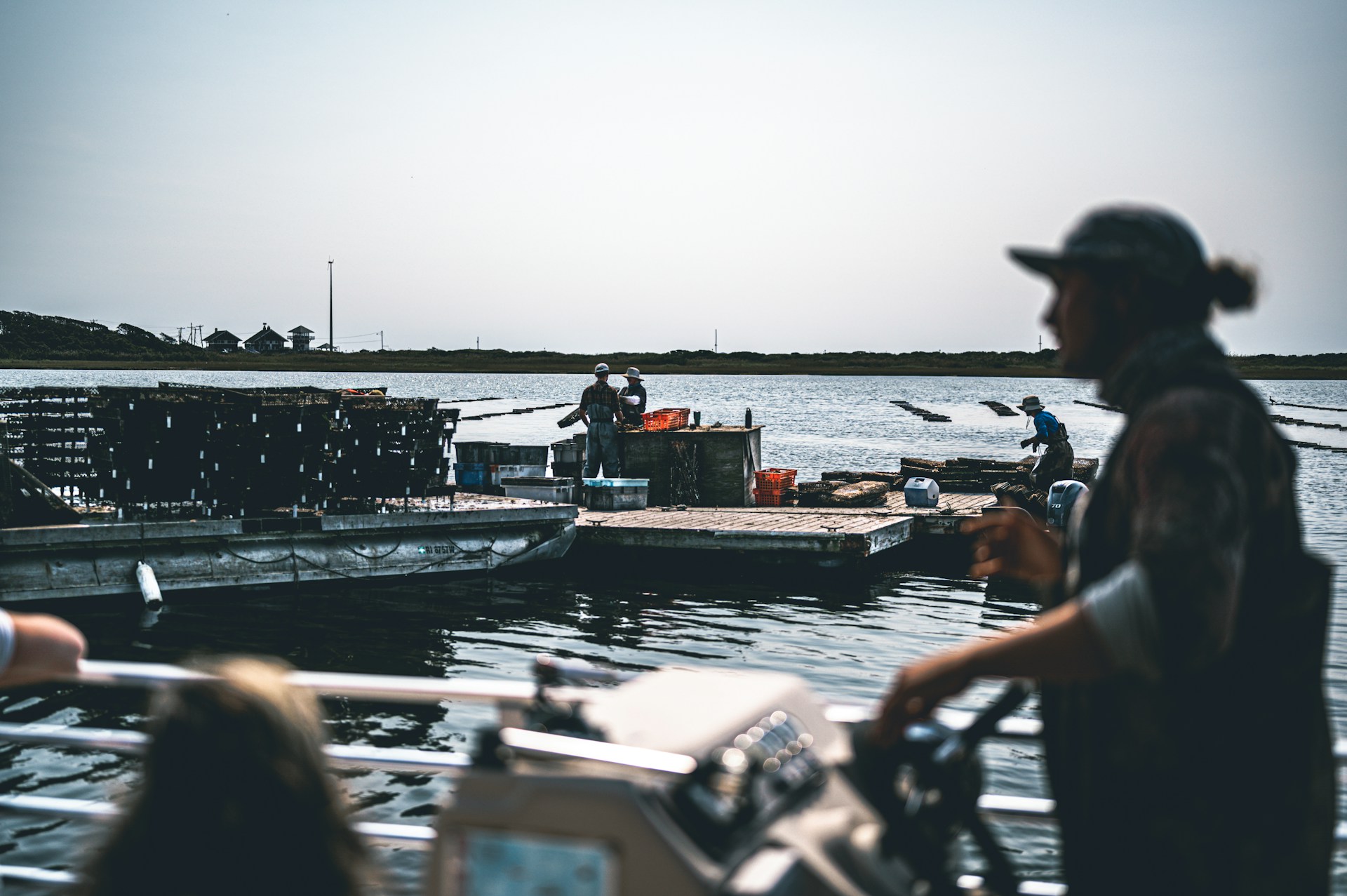
These responsibilities are particularly important in aquaculture because work can involve:
- Open water and vessels
- Machinery and pumps
- Diving activities
- Chemicals
- Manual handling
- Ropes and nets
- Changing weather and water conditions
- Isolated or remote work
The practical approach to managing these risks should reflect the work actually being performed.
Generic procedures alone may not address the specific hazards workers face across different sites, vessels or activities.
How can aquaculture businesses improve worker safety?
One of the most effective approaches is to make safety part of everyday operations.
Rather than managing safety through separate documents and disconnected processes, businesses can connect:
- Hazards
- Risk assessments
- Controls
- Training
- Inspections
- Incidents
- Actions
- Follow-up
- Review
For example, if an inspection identifies damaged equipment:
- The issue is reported.
- The risk is assessed.
- The equipment is isolated if required.
- A corrective action is assigned.
- The equipment is repaired or replaced.
- The action is marked complete.
- The control is reviewed.
This creates a clear process from identifying a problem through to resolving it.
For businesses managing multiple sites, vessels or teams, connecting these processes can also give managers greater visibility of where attention is needed.
What does the 2026 ILO Aquaculture Safety Code cover?
Not as Australian law.
The ILO Aquaculture Safety Code is an international code of practice. It does not replace the WHS legislation that applies to an Australian business.
However, it can provide useful guidance when reviewing an aquaculture business's existing safety management practices.
For Australian operators, the value of the code is its practical focus. It brings together many of the risks that aquaculture businesses already need to manage, including machinery, diving, chemicals, transport, weather, environmental conditions and worker training.

What should Australian aquaculture operators do?
Australian operators do not need to replace their existing WHS systems because of the ILO code.
Instead, it can be used as a useful reference when reviewing whether existing safety processes cover the risks workers actually face.
This could include reviewing:
-
Worker training and competency requirements
-
Diving procedures
-
Machinery and equipment inspections
-
Chemical controls
-
Emergency procedures
-
Incident and hazard reporting
-
PPE requirements
-
Corrective action processes
- Weather and environmental risks
- Safety records and follow-up
The goal is not simply to have the right documents. The goal is to make sure safety controls are understood, followed and reviewed as part of everyday work.
A safer aquaculture operation starts with the everyday process
Aquaculture businesses manage a wide range of workplace hazards.
The strongest safety systems make managing those hazards part of the way work is done every day.
Workers are trained before they start work. Hazards are identified. Risks are assessed. Controls are implemented. Inspections identify problems. Workers can report hazards and incidents. Actions are assigned and followed up. Records are maintained. Controls are reviewed when circumstances change.
That creates more than a collection of safety documents.
It creates a connected process for managing safety across the operation.
For Australian aquaculture businesses, this day-to-day visibility can help managers understand what is happening, identify where attention is needed and ensure issues are followed through to resolution.
FAQ
What is the 2026 Aquaculture Safety Code?
The 2026 Aquaculture Safety Code is the International Labour Organization's Code of Practice on Occupational Safety and Health in Aquaculture, adopted in May 2026. It provides practical international guidance on managing occupational safety and health in the aquaculture sector.
Is the 2026 Aquaculture Safety Code legally binding in Australia?
No. The ILO code is not legally binding and does not replace Australian WHS legislation. Australian aquaculture businesses must continue to comply with the laws and regulations that apply in their state or territory.
What does the ILO Aquaculture Safety Code cover?
The code covers safety management systems, worker training and competence, PPE, machinery, diving, aquaculture installations, transport, weather and environmental conditions, ergonomics, chemicals, biological hazards, noise and vibration, and incident reporting.
Why is the 2026 Aquaculture Safety Code relevant to Australian operators?
Although it does not change Australian WHS law, the code provides a useful international reference for reviewing aquaculture safety practices. Its guidance covers many of the hazards and operational activities Australian aquaculture businesses need to manage.
How can aquaculture businesses improve safety management?
Aquaculture businesses can improve safety management by connecting hazard identification, risk assessments, controls, worker training, inspections, incident reporting, corrective actions and follow-up. This creates a more consistent process for identifying and addressing safety issues.
Disclaimer: Content on this website may be of relevance to users outside of Australia, but content links and examples are specific to Australia. Please check with your local authority for your country and industry requirements.